Every Brand Starts Out Wild: Creative Chaos and the System That Tames It
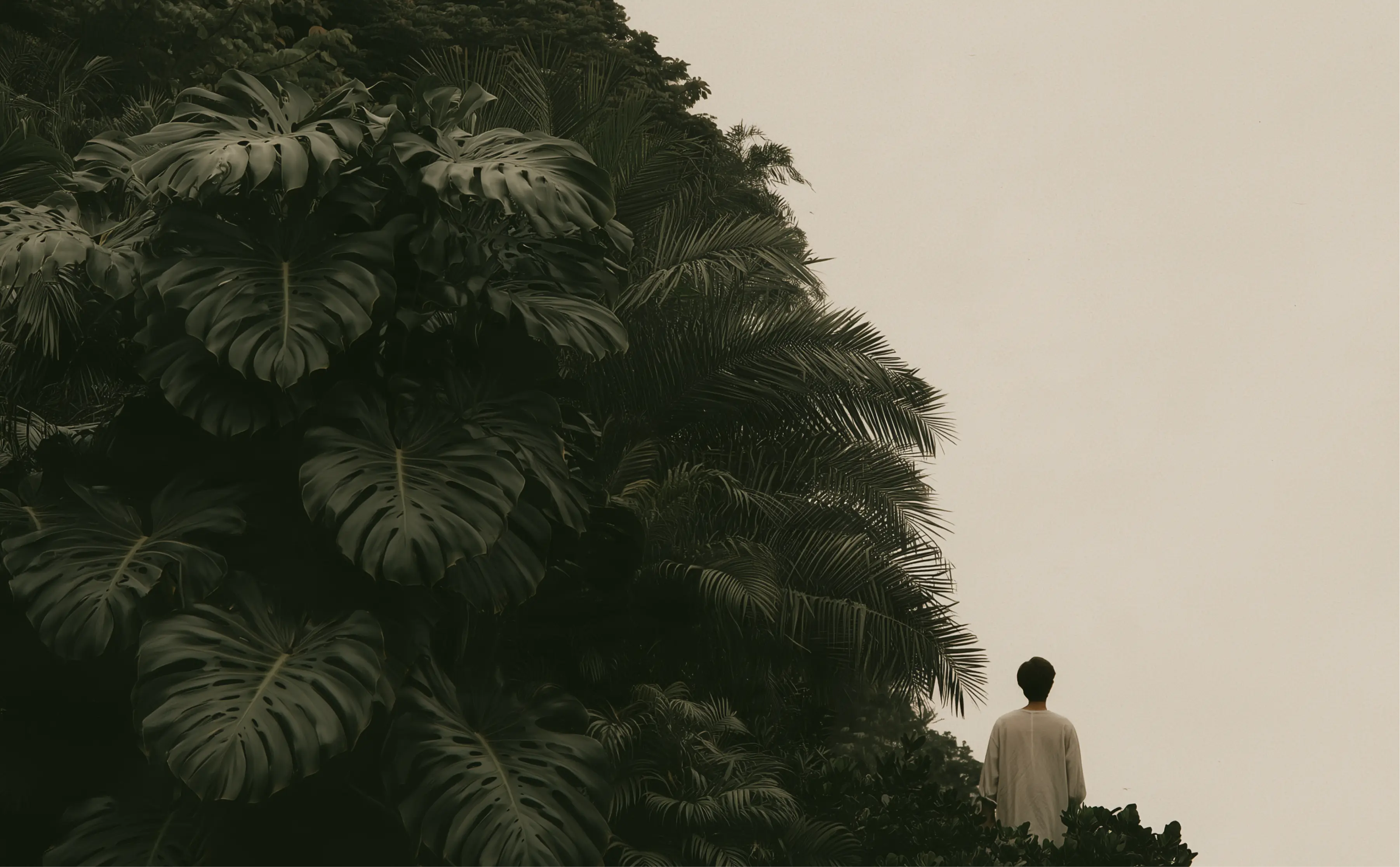
In the beginning, a brand is a landscape nobody has mapped yet. The work is inventive and fast and a little feral. Decisions get made in the moment, a look emerges by instinct, and the team runs on the energy of figuring it out as they go. This stage produces some of the best creative a company will ever make, precisely because nothing is settled.
Then the brand grows. More people make more work in more places, and the landscape that one small team holds in their heads becomes too big for any single person to see all at once. The wildness that felt like momentum starts to feel like drift. Two designers make two reasonable choices that point in different directions. A campaign looks nothing like the product it is selling. Everyone is talented, everyone is trying, and the work still will not line up.
Creative chaos gets diagnosed as a people problem with surprising speed. The instinct is to hire more senior talent, add a review layer, or bring in a fresh perspective to sort it out. Sometimes that helps. More often it adds another skilled voice to a room that already had plenty, and the drift continues.
The reason is that chaos of this kind is a coordination problem, not a competence one. When a team makes inconsistent work, it usually means the reasoning behind the brand lives in a few people's heads and nowhere a wider group can reach it. The knowledge is real. It just is not written into anything the next person can pick up, apply, and extend. Talent without a shared system produces talented work that does not add up.
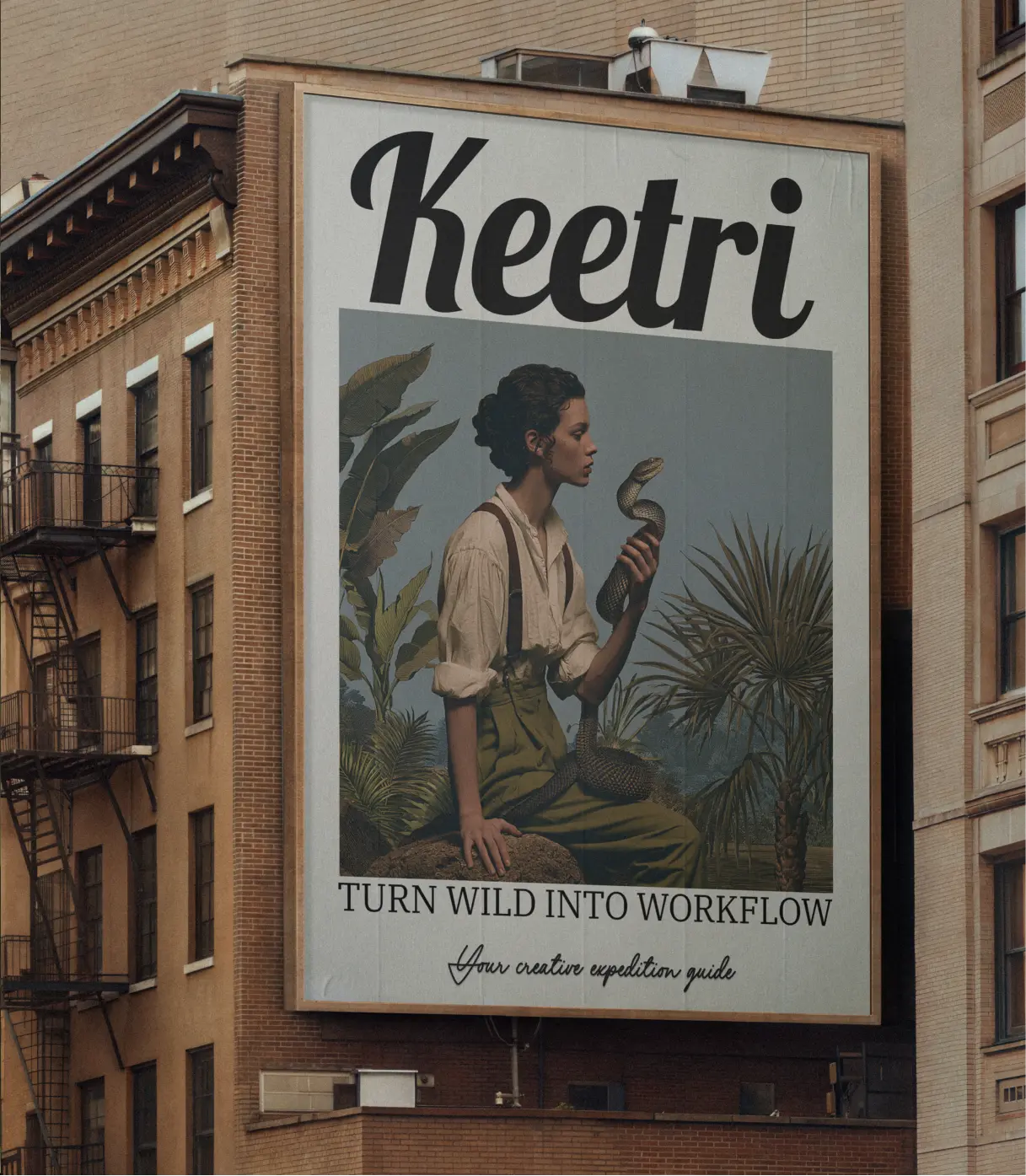
Picture the growing brand as a jungle: dense, alive, full of paths that lead somewhere and paths that lead nowhere. A wild brand does not need the jungle cut down. It needs three things.
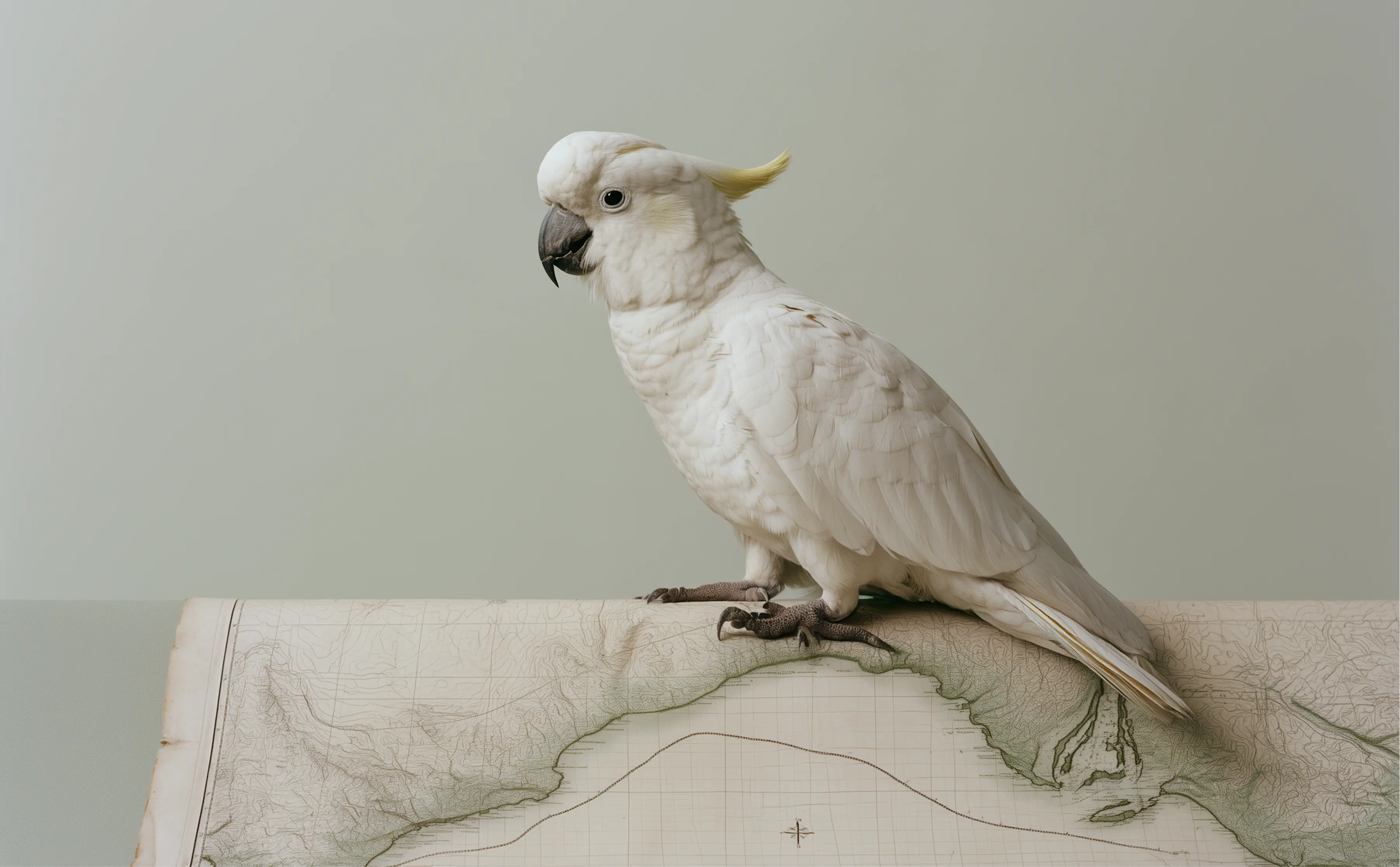
A map: a clear account of where the brand stands, what it sounds like, and how its decisions get made, so anyone can orient without asking.
A guide: a way for that reasoning to travel with the work, applied at the moment a choice is being made rather than filed away in a document nobody opens.
And a flock: the people and partners moving in the same direction because they can all see the same map, not because someone is standing over every piece.
A brand system is the difference between a brand that depends on specific people remembering everything and a brand that keeps its judgment even as the team changes. It captures the reasoning, not just the rules. A style guide can tell you the hex code. A system can tell you why the brand leans warm in one context and restrained in another, and apply that judgment when a new piece of work raises a question the guide never anticipated.
Creative operations is the discipline that builds this. It treats consistency as an outcome of good infrastructure rather than heroic vigilance, and it frees the team to be inventive inside a shape that holds, instead of reinventing the shape on every project.
From wild to well-run
The best brands keep some of the wildness that made them worth paying attention to. What changes as they grow is where the judgment lives. It moves out of a few people's heads and into a system the whole team can reach, so the wildness compounds into a body of work instead of scattering across a hundred well-intentioned choices.
That shift is the real work of scaling a brand. Draw the map while the jungle is still small enough to chart. Give the reasoning a guide that travels with every piece of work. Build a flock that moves in the same direction without someone standing over it. Every brand starts out wild. The ones that last decide early that wild doesn't have to mean lost.
This is the first entry in the Keetri Field Guide, a series on running creative with judgment intact as the work scales.
See what a creative operations platform actually does, and why it's the layer between strategy and execution.